Pasta Charcuterie Board (Easy Build-Your-Own Pasta Bar)


My plan is to turn pasta night upside down with this one! My Pasta Charcuterie Board changes dinner into a fun, interactive experience where everyone can build their own pasta bowl with different noodles, sauces, proteins, cheeses, and toppings.
It’s easy to customize, perfect for feeding a crowd, and surprisingly simple to put together using a mix of homemade shortcuts and store-bought favorites. Whether you’re hosting a casual family dinner, girls night, game day gathering, or Italian-themed party, this pasta board always steals the show.
Why Pasta Boards Are Perfect for Entertaining
One of the hardest parts of hosting is figuring out how to feed a group of people with completely different tastes, preferences, and dietary needs. In my family alone, my husband doesn’t eat pork, my in-laws are vegan, my nephew is allergic to dairy, and I personally don’t eat beef. So, trying to create one single pasta dish that works for everyone can become overwhelming. That’s why I love the concept of a Pasta Charcuterie Board, which some might call a pasta bar.
Instead of preparing multiple separate meals, I set out different noodles, sauces, proteins, vegetables, and toppings so everyone can build a pasta bowl that works for them. It’s flexible, customizable, and so much less stressful when hosting a diverse group of friends and family.
Beyond being practical, it also makes dinner feel way more fun and interactive. The variety of colors, textures, and ingredients turns the table into a beautiful centerpiece while giving everyone the freedom to create something they’ll actually enjoy eating.
Why You’ll Love This Pasta Charcuterie Board
This Pasta Charcuterie Board is the kind of meal that feels special and impressive without creating a ton of extra work in the kitchen. However, since there are plenty of pasta night ideas out there, here’s why this one will likely become a fan favorite:
- Completely customizable for different tastes, dietary needs, and picky eaters.
- Perfect for family dinners, parties, birthdays, girls night, and casual entertaining.
- Easy to scale for both small gatherings and larger crowds.
- Uses a mix of homemade favorites and easy store-bought shortcuts to save time.
- Turns a simple pasta dinner into a colorful, interactive experience.
- Gives guests the freedom to create a dish they’ll actually enjoy eating.
Pasta Charcuterie Board vs. Pasta Bar
A pasta charcuterie board and a pasta bar are very similar, but the presentation is a little different. A pasta bar is usually spread across a counter or buffet table with ingredients lined up separately, while a pasta charcuterie board is styled more visually on a large board or platter with ingredients grouped together for a more elevated, shareable presentation.
Both ideas allow guests to customize their pasta bowls with different noodles, sauces, proteins, cheeses, and toppings. The biggest difference is really the setup and overall entertaining style.
Equipment You’ll Need
One of my favorite things about this pasta charcuterie board is that it looks impressive without requiring a lot of special equipment. Most of what you need is probably already in your kitchen.
- Large Serving Board or Platter: A large wooden charcuterie board, serving tray, or even a sheet pan works well for arranging all of the pasta, sauces, proteins, and toppings. The larger the surface, the easier it is to create that full, abundant look. If you don’t already have all of this, you can likely get it for pretty cheap at a dollar/discount store.
- Small Bowls: Small bowls or ramekins are perfect for holding sauces, cheeses, vegetables, and toppings. They also help keep everything organized and easier for guests to serve themselves.
- Serving Utensils: You’ll want a few serving spoons, tongs, and forks so guests can easily build their pasta bowls without making a mess.
- Bowls and Plates: Set out pasta bowls or plates ahead of time so guests can move through the pasta bar easily and start building their perfect combination.
- Optional Warming Tools: If you’re serving this for a party or larger gathering, mini slow cookers or warming trays can help keep sauces and proteins warm during the event.
Best Ingredients for a Pasta Charcuterie Board
The best part about a pasta charcuterie board is that there’s no single “right” way to build it. You can mix and match ingredients based on your guests’ preferences, dietary needs, favorite flavors, or even what you already have in the kitchen.
I like to include a variety of pasta shapes, sauces, proteins, vegetables, and toppings so everyone has plenty of options to create a bowl they’ll love.
Pasta Options
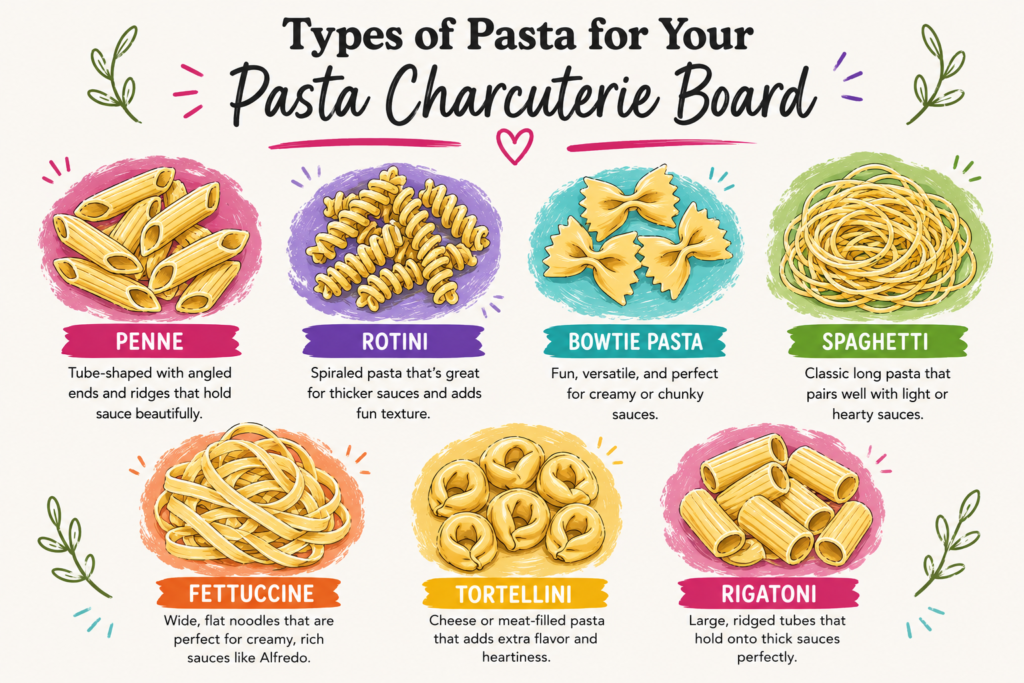
Choose 2–3 pasta shapes for variety and visual appeal.
- Penne
- Rotini
- Bowtie pasta
- Spaghetti
- Fettuccine
- Tortellini
- Rigatoni
Sauce Options
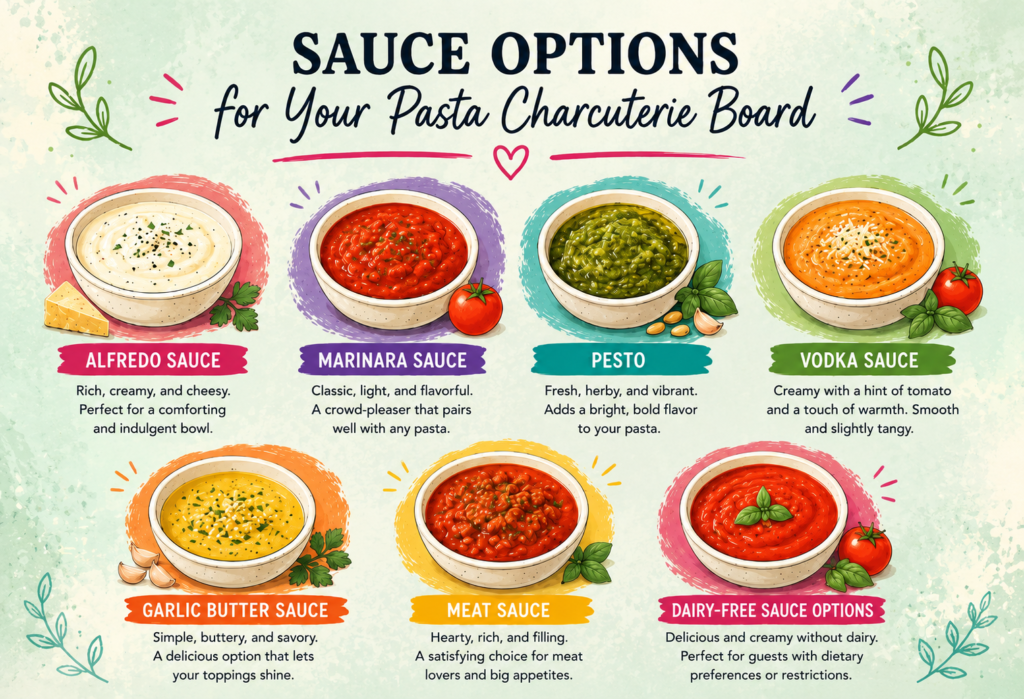
Offering multiple sauces helps guests customize their bowls even more.
- Alfredo sauce
- Marinara sauce
- Pesto
- Vodka sauce
- Garlic butter sauce
- Meat sauce
- Dairy-free pasta sauce options
Protein Ideas
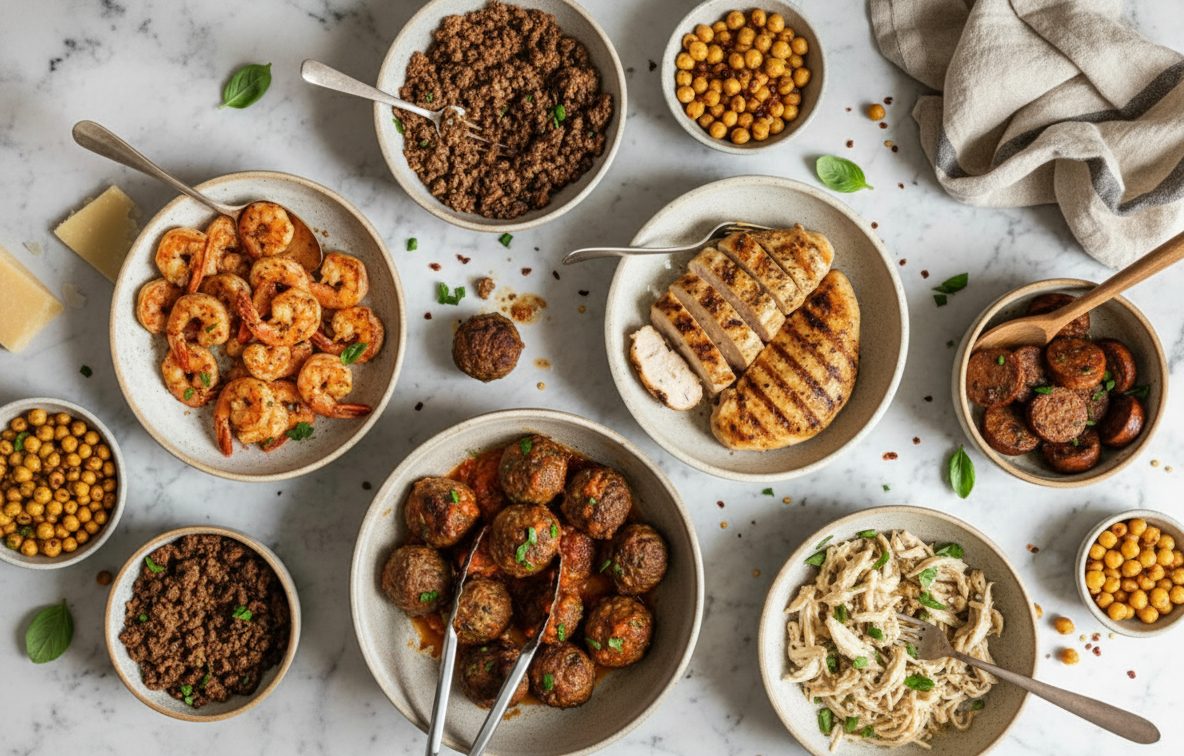
Including a few protein options makes the board feel more filling and crowd-friendly.
- Grilled chicken
- Italian sausage
- Ground beef
- Meatballs
- Shrimp
- Crispy chickpeas
- Vegan sausage
Vegetables and Toppings
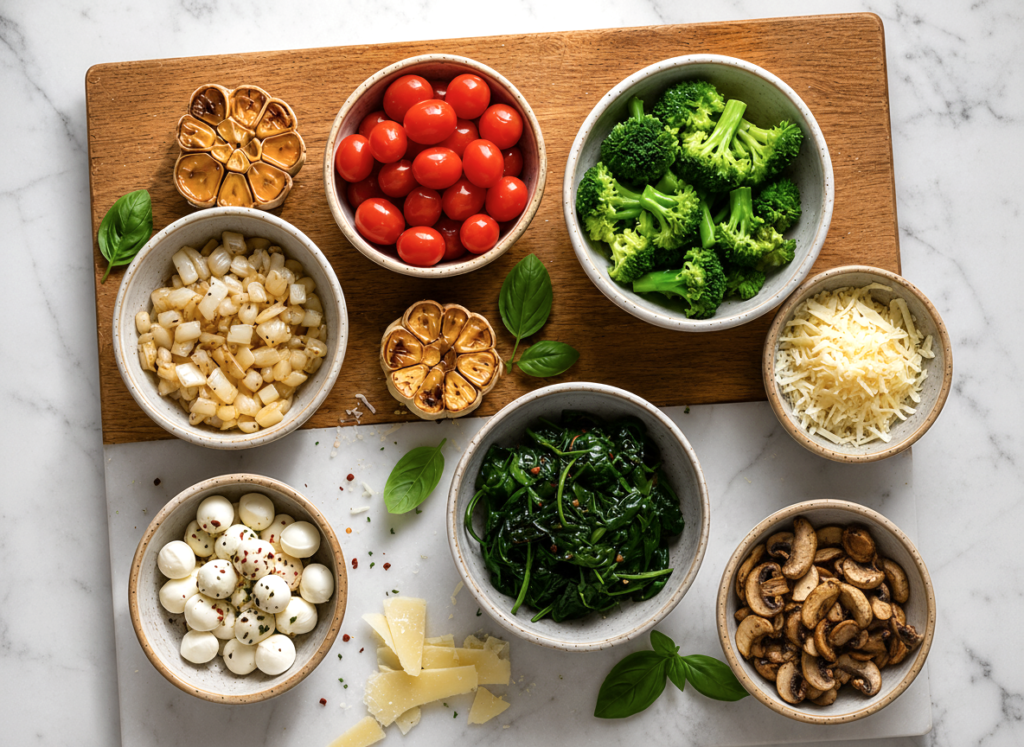
This is where you can really add color, texture, and variety to the board.
- Steamed broccoli
- Sautéed spinach
- Mushrooms
- Sautéed unions
- Cherry tomatoes
- Roasted garlic
- Fresh basil
- Parmesan cheese
- Shaved parmesan
- Mozzarella pearls
- Red pepper flakes
Easy Store-Bought Shortcuts
One of my favorite things about this pasta board is that you don’t have to make everything from scratch. A few smart shortcuts can save a ton of time while still creating a beautiful and delicious spread.
- Rotisserie or ready-to-eat grilled chicken
- Jarred Alfredo or marinara sauce
- Frozen vegetables
- Steam-in-bag broccoli
- Pre-shredded parmesan cheese
- Refrigerated pesto sauce
This is meant to be fun, flexible, and low-stress, so use whatever works best for your family and guests.
How to Build a Pasta Charcuterie Board?
1. Start With the Largest Items First
Begin by placing your pasta and larger bowls onto the board first. These act as anchors and help shape the overall layout of the board. I usually start with:
- pasta
- meatballs
- larger sauces
- protein bowls
2. Add Smaller Toppings Around the Board
Once the larger items are in place, fill the open spaces with vegetables, cheeses, herbs, and toppings. This is where the board starts to feel full, colorful, and inviting.
3. Keep Ingredients Grouped
Instead of mixing everything together, keep each ingredient in its own section so guests can easily build plates based on their preferences or dietary needs. This works especially well when serving:
- picky eaters
- vegetarians
- dairy-free guests
- guests avoiding pork or beef
4. Mix Heights and Textures
Use a combination of:
- small bowls
- loose ingredients
- stacked pasta
- scattered garnishes
This gives the board more dimension and makes it feel less flat and overly structured.
5. Finish With Garnishes
Right before serving, add small finishing touches like:
- fresh basil
- red pepper flakes
- parmesan shavings
- cracked black pepper
These little details make the board feel extra special without much extra work.
Tips for Success | Recipe Notes
Before You Build the Board
- Cook the Pasta Al Dente: Pasta will continue to absorb moisture as it sits. Therefore, cooking it just until al dente will help it hold its shape and prevent it from becoming too soft on the board.
- Let Hot Ingredients Cool Slightly: If your chicken, meatballs, shrimp, or vegetables are fresh from the stove, allow them to cool for a few minutes before arranging the board. This helps maintain the texture of the ingredients and prevents excess steam from affecting nearby items.
- Plan for About 1 Cup of Pasta Per Person: If serving this as a main course, plan for approximately 1 cup of cooked pasta per guest, plus plenty of toppings and sauces.
Serving & Entertaining Tips
- Use Small Bowls for Sauces: Place marinara, Alfredo sauce, pesto, or other dips in small bowls to keep them contained. This makes serving easier and helps prevent sauces from mixing together.
- Choose Party-Friendly Ingredients: If you’re serving this board for a gathering, select ingredients that hold up well during serving. Cooked pasta, grilled chicken, broccoli, cherry tomatoes, and firm cheeses tend to maintain their texture better than delicate ingredients that wilt or dry out quickly.
- Refresh the Board During Parties: If you’re serving this at a gathering, keep extra pasta, toppings, and sauces nearby. Replenishing ingredients as they disappear helps the board stay attractive and fully stocked throughout the event.
- Keep Food Safety in Mind: A pasta charcuterie board is meant to be enjoyed fresh. Since many of the ingredients are perishable, I recommend assembling the board shortly before serving and keeping extra ingredients refrigerated until needed. If you’re hosting a longer gathering, replenish the board as guests eat rather than setting everything out at once.
Make It Your Own
- Customize It for Your Guests: Mix and match proteins, vegetables, cheeses, and sauces based on your family’s preferences. This recipe is meant to be flexible and easy to adapt.
- Don’t Worry About Making It Perfect: The best charcuterie-style boards have a relaxed, abundant look. Overlapping ingredients and leaving a few natural gaps can make the board feel more inviting.
Pasta Charcuterie Board Variations
Like many families, mine has a mix of food preferences, dietary restrictions, and ingredient dislikes to work around. So, I’ve learned that one-size-fits-all meals don’t always work. That’s one of the reasons I love a pasta charcuterie board. Instead of making multiple dinners, I can offer a variety of proteins, sauces, and toppings so that everyone can build a plate that fits their preferences. Here are a few fun ways to customize your board based on who you’re serving.
Family Pasta Night Board
Keep things simple with grilled chicken, meatballs, marinara sauce, Alfredo sauce, broccoli, mozzarella pearls, and Parmesan cheese. This crowd-friendly combination offers something for everyone.
Chicken Alfredo Board
Build a board around creamy Alfredo sauce with grilled chicken, broccoli, spinach, mushrooms, and plenty of Parmesan cheese. This variation is perfect for Alfredo lovers.
Italian-Inspired Board
Include Italian sausage, meatballs, marinara sauce, mozzarella pearls, fresh basil, roasted garlic, and Parmesan cheese for a classic Italian-inspired spread.
Seafood Pasta Board
Swap some of the traditional proteins for shrimp and serve with Alfredo sauce, pesto, fresh basil, and Parmesan cheese. A squeeze of lemon on the side adds a bright finishing touch.
Vegetarian Pasta Board
Skip the meat and load the board with sautéed mushrooms, spinach, broccoli, roasted garlic, cherry tomatoes, pesto, mozzarella pearls, and Parmesan cheese.
Make-Your-Own Pasta Bar
Hosting a larger gathering? Set out multiple pasta shapes, several sauces, and a variety of toppings so guests can build completely customized pasta bowls.
What to Serve With a Pasta Charcuterie Board
Whenever I serve a pasta charcuterie board, I like to add a few easy side dishes to help complete the meal. Since the board is already doing most of the heavy lifting, so there’s no need to overcomplicate things. A basket of warm bread, a fresh salad, and a simple dessert are usually enough to keep everyone happy and well-fed.
Bread
Warm bread is a natural pairing for pasta and sauces. Consider serving:
- Garlic bread
- Breadsticks
- Cheesy bread
- Focaccia
- Italian bread with olive oil
Drinks
Choose beverages that work well with a variety of flavors.
- Iced tea
- Lemonade
- Sparkling water
- Italian sodas
- Wine for adult guests
Salads
A fresh salad helps balance the richness of pasta, sauces, and cheeses.
- Caesar Salad
- Italian Chopped Salad
- Garden Salad
- Cucumber Salad
- Antipasto Salad
Dessert
Keep dessert simple and crowd-friendly.
- Tiramisu
- Cannoli dip
- Italian cookies
- Cheesecake bars
- Fresh fruit
Storage & Leftovers
- Refrigerator: Store leftover pasta, proteins, vegetables, cheeses, and sauces in separate airtight containers in the refrigerator for up to 3 to 4 days. Keeping the ingredients separate helps maintain their texture and makes it easier to enjoy leftovers later.
- Reheating: Reheat pasta, proteins, and vegetables in the microwave or on the stovetop until warmed through. If the pasta seems dry, add a bit of water, broth, or sauce before reheating.
- Sauces: Store leftover marinara, Alfredo sauce, and pesto separately in airtight containers according to their package or recipe instructions. Warm marinara and Alfredo sauce before serving again. For best quality and food safety, use refrigerated sauces within 7 days of opening or preparing them. Always discard any sauce that develops an off smell, unusual texture, or signs of spoilage.
- Reassembling the Board: Leftover ingredients can easily be arranged on a fresh board for another meal. Warm any ingredients that are best served hot before assembling.
- Freezing: While many of the individual ingredients can be frozen, I do not recommend freezing a fully assembled pasta charcuterie board. For best results, freeze pasta, proteins, and sauces separately and assemble a fresh board when ready to serve.
FAQ’s Frequently Asked Questions
A pasta charcuterie board is a build-your-own pasta station arranged on a large serving board or platter. Instead of serving a single pasta dish, you provide cooked pasta, sauces, proteins, vegetables, cheeses, and toppings so guests can create their own customized pasta bowls. It’s a fun and interactive option for family dinners, parties, potlucks, and casual entertaining.
Plan for approximately 1 cup of cooked pasta per person when serving a pasta charcuterie board as a main course. For larger appetites or gatherings where the board is the primary meal, consider preparing extra pasta and toppings so guests can go back for seconds.
Yes. Most of the ingredients can be prepared up to a day in advance and stored separately in the refrigerator. Cook the pasta, prepare the proteins, wash and cut vegetables, and portion sauces ahead of time. For the freshest presentation, assemble the pasta charcuterie board shortly before serving.
Short pasta shapes are usually the easiest to serve and eat. Penne, bow tie pasta, rotini, rigatoni, and shells all work well because they hold sauce nicely and are easy for guests to scoop onto their plates.
Marinara and Alfredo sauce are two of the most popular options, but you can customize your pasta charcuterie board with a variety of sauces. Pesto, garlic butter sauce, vodka sauce, meat sauce, creamy Parmesan sauce, and roasted red pepper sauce are all delicious additions. Offering two or three sauces will give your family and guests plenty of ways to customize their meal.
One of the best things about a pasta charcuterie board is the variety of proteins you can offer. Popular options include grilled chicken, meatballs, Italian sausage, shrimp, ground beef, and plant-based meat alternatives. Choose a combination that fits your family’s preferences or the theme of your gathering.
Because a pasta charcuterie board often contains cooked meats, cheeses, and sauces, it should not be left at room temperature for more than 2 hours. If you’re hosting a longer gathering, keep extra ingredients refrigerated and replenish the board as needed to maintain freshness and for food safety.
A pasta charcuterie board is one of the easiest meals to customize for different dietary preferences and restrictions. Keep ingredients separated and offer a variety of proteins, vegetables, cheeses, and sauces so guests can build a meal that works for them. I can tell you from experience that these charcuterie boards work especially well for families (or gatherings) that include vegetarians, picky eaters, dairy-free guests, or people with food allergies.
Related Recipes
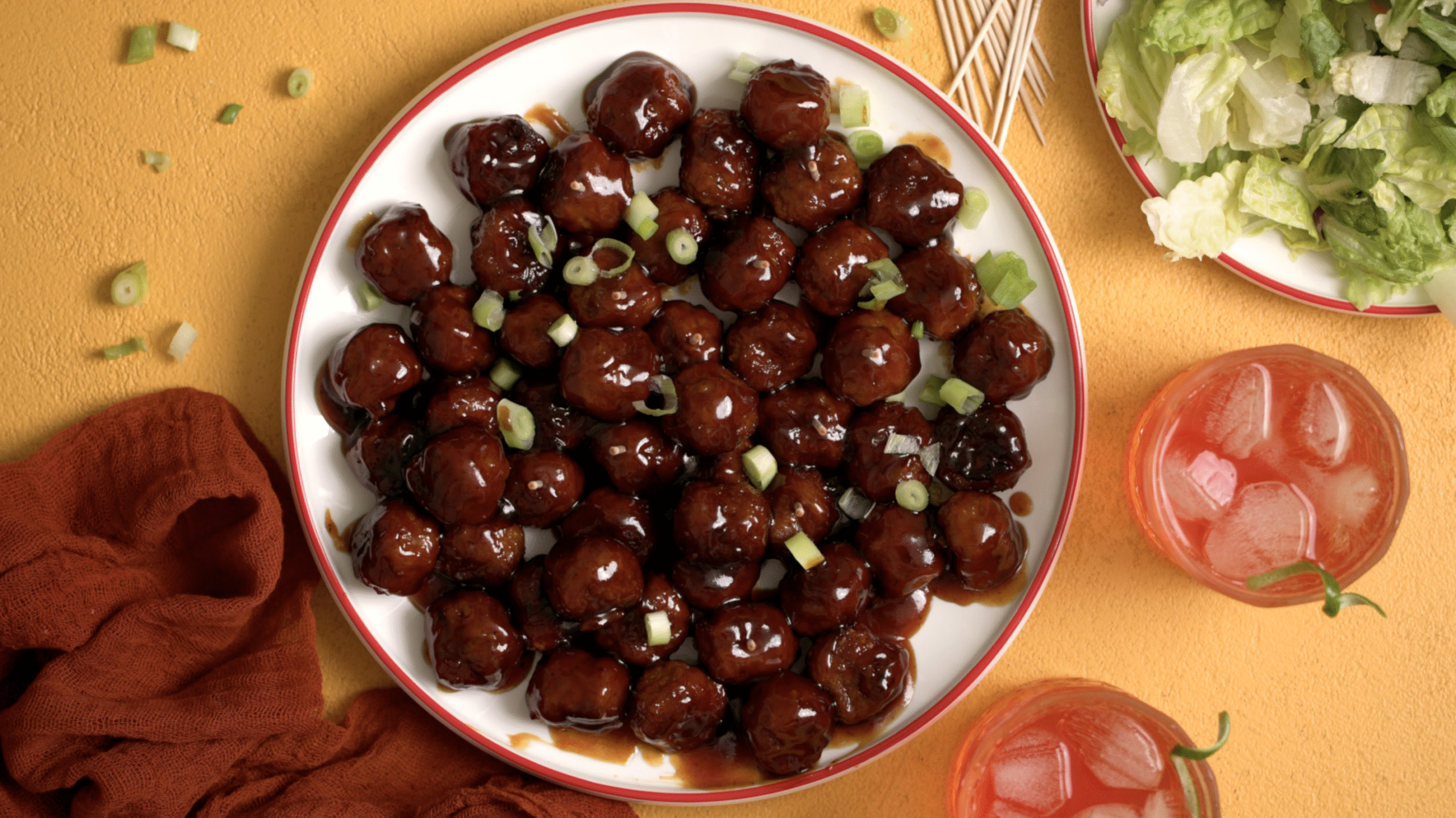
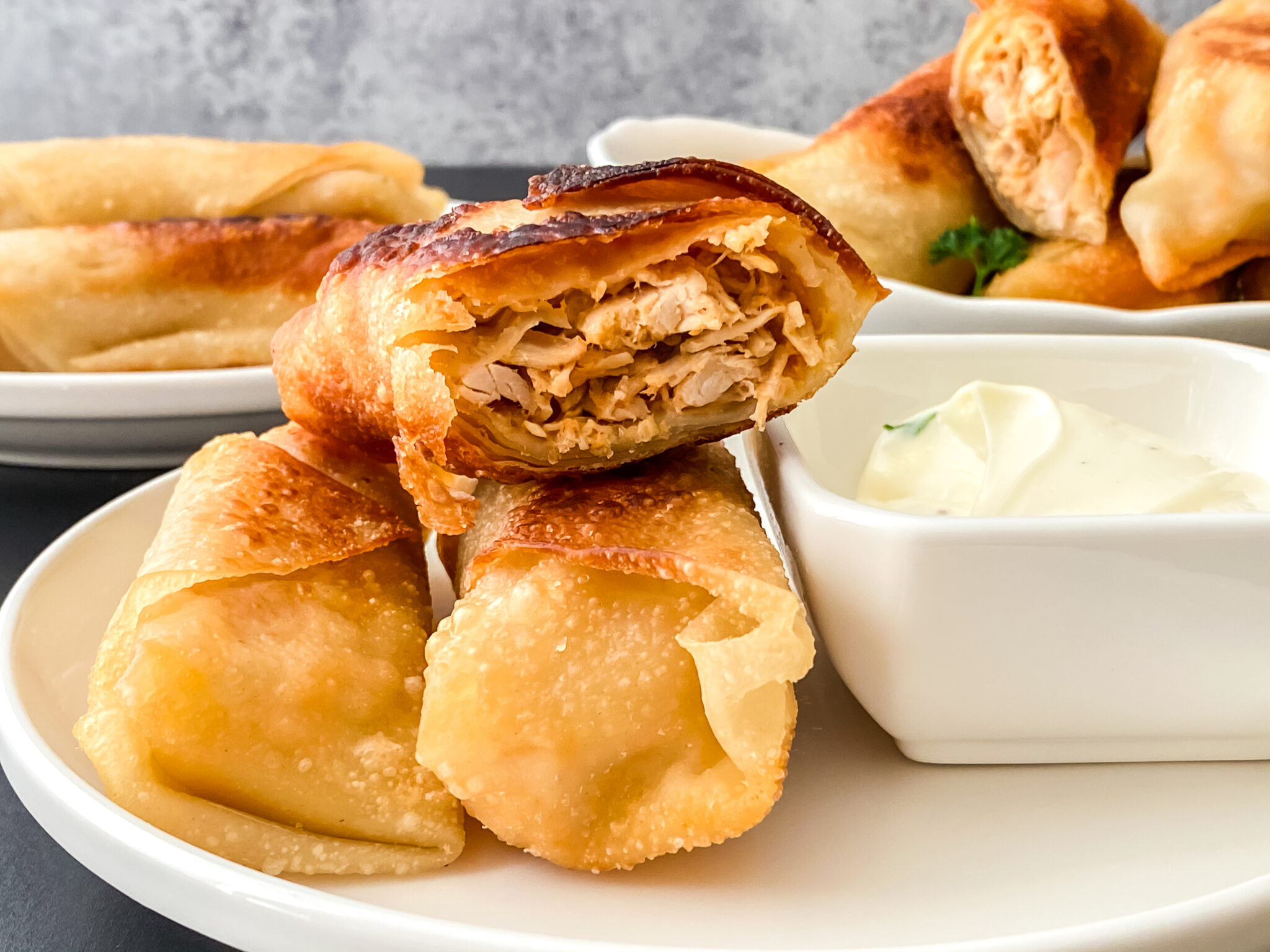
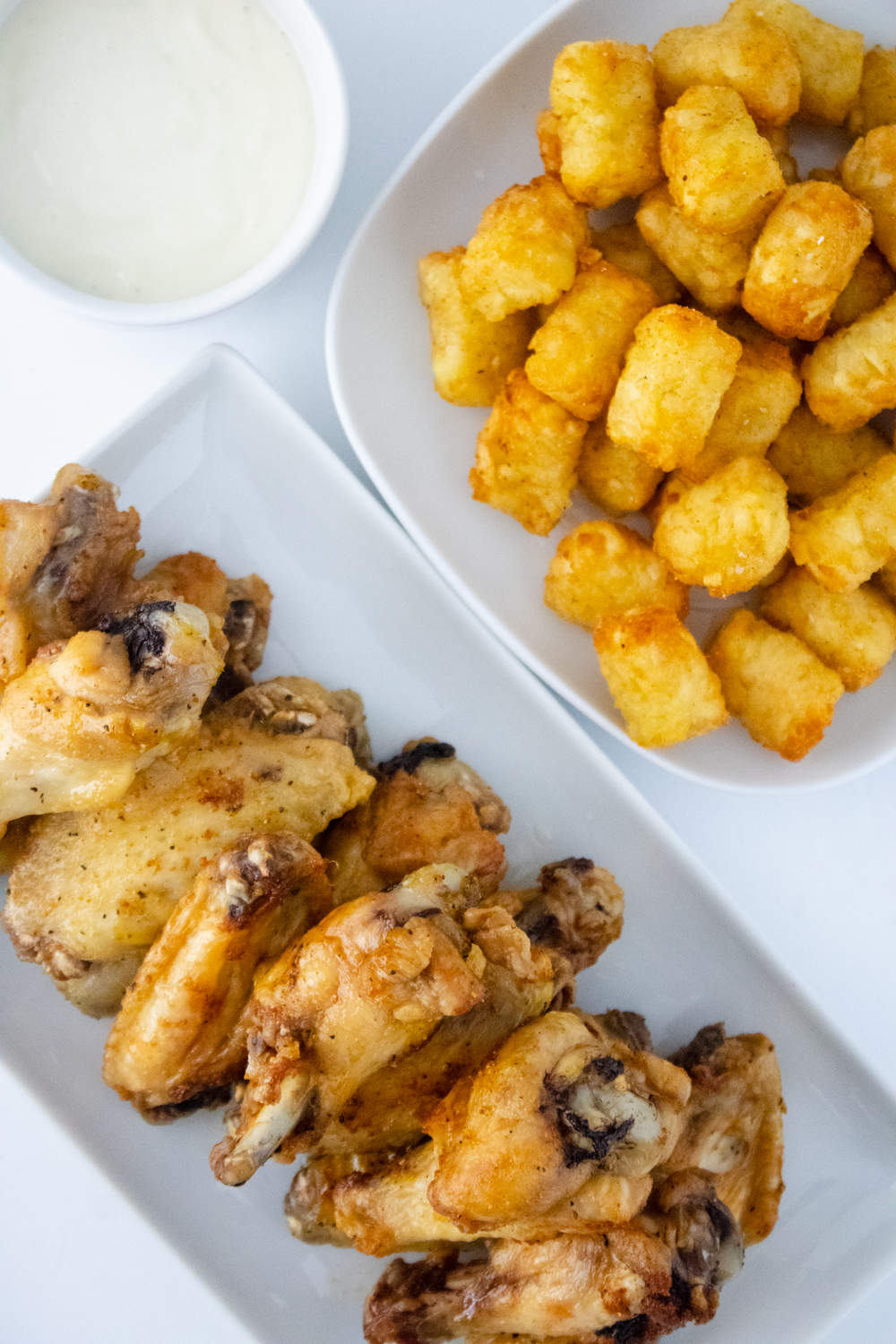
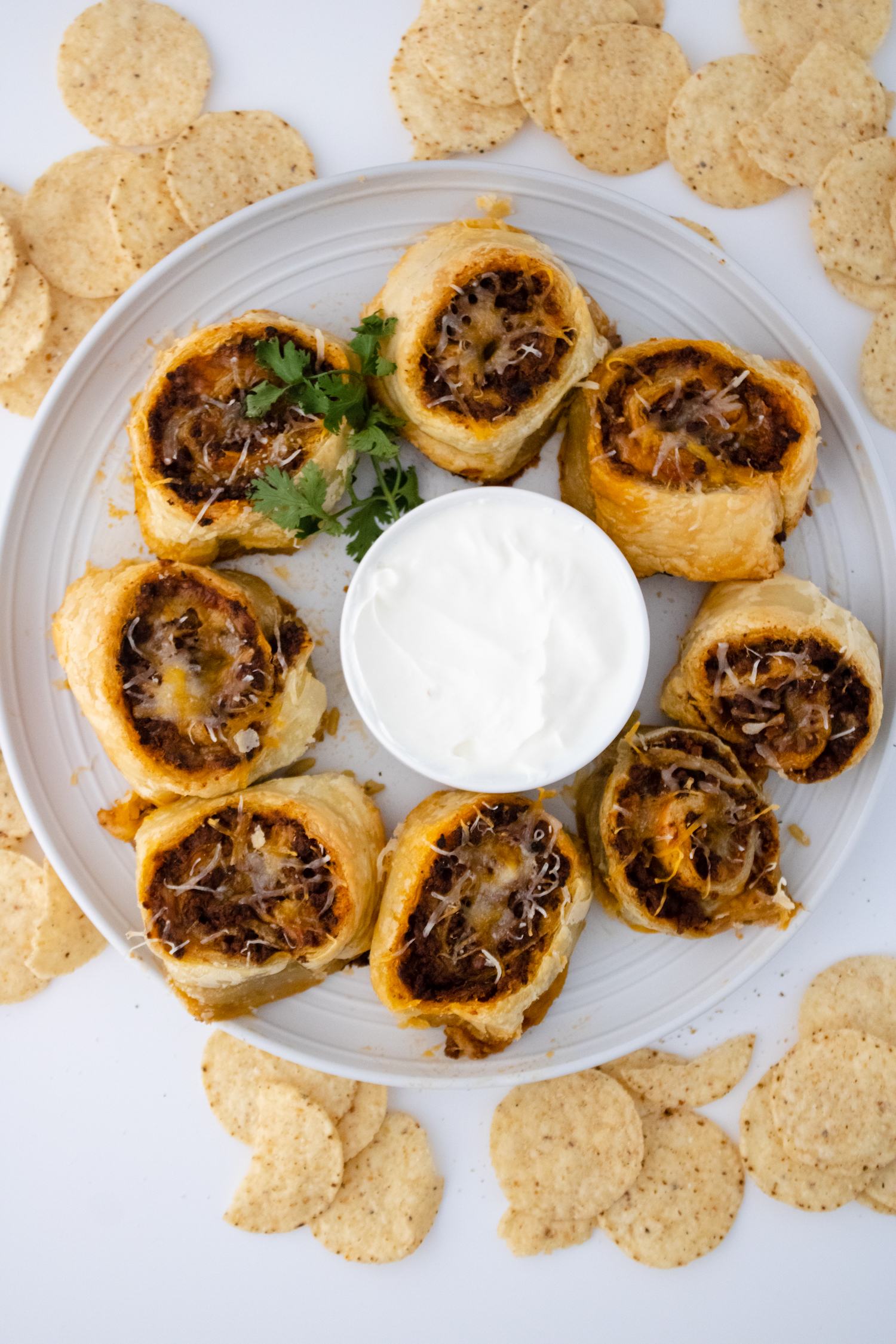
Good food has a way of bringing people together. If you’re looking for more recipes that are perfect for sharing, these crowd-pleasing favorites are great for parties, potlucks, family gatherings, and celebrations of all kinds.

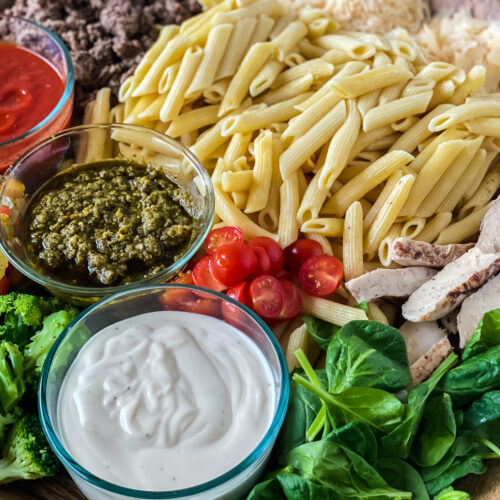
Pasta Charcuterie Board (Easy Build-Your-Own Pasta Bar)
Ingredients
Pasta Options
- Penne
- Bowtie
- Rigatoni
- Rotini
Protein Selections
- 2 Grilled chicken breasts sliced
- 12-16 Cooked meatballs
- 12 ounces Smoked sausage sliced
- 12 ounces Grilled Shrimp
Sauce Options
- Marinara sauce
- Alfredo sauce
- Pesto
- Garlic butter sauce
- Vodka sauce
Vegetables & Toppings
- 2 cups broccoli florets
- 2 cups fresh spinach
- 8 ounces mushrooms sautéed
- 1 cup cherry tomatoes
- 6 cloves roasted garlic
- Fresh basil leaves
- Red pepper flakes
Cheese
- 1 cup mozzarella pearls
- ½ cup shaved Parmesan cheese
Instructions
- Cook the pasta according to the package directions until al dente. Drain and allow it to cool slightly.
- Cook and prepare the proteins, vegetables, sauces, and toppings. Transfer sauces to small serving bowls.
- Place the pasta on a large serving board or platter. Add bowls of sauce and larger ingredients first to help establish the layout.
- Arrange the proteins, vegetables, cheeses, and toppings around the board, keeping similar ingredients grouped together.
- Finish with fresh basil, shaved Parmesan, and red pepper flakes. Serve immediately and allow guests to build their own pasta bowls.
Notes
- Plan for approximately 1 cup of cooked pasta per person.
- Short pasta shapes are easiest to serve.
- Keep sauces in bowls to prevent ingredients from mixing together.
- For best results, assemble shortly before serving.
- Refrigerate leftovers separately for up to 3 to 4 days.
- Use refrigerated sauces within 7 days of opening or preparing.